
The US Justice Department said late on Wednesday the federal government was liable in the fatal January 29 collision of an Army Black Hawk helicopter and American Airlines regional jet that killed 67 people near Ronald Reagan Washington National Airport.
It was the deadliest plane crash on American soil in more than two decades.
The government admitted it “owed a duty of care to plaintiffs, which it breached, thereby proximately causing the tragic accident” and that the pilots of the Army helicopter and regional jet “failed to maintain vigilance so as to see and avoid each other”.
The Justice Department said a Federal Aviation Administration (FAA) air traffic controller also did not comply with an FAA order and as a result of both agencies’ conduct, the United States was liable for damages.
The FAA declined to comment.
Robert Clifford, a lawyer for the family of one of the victims of the crash that filed the suit, said the filing showed “the United States admits the Army’s responsibility for the needless loss of life in the crash … as well as the FAA’s failure to follow air traffic control procedure”.
Clifford added the “government, however, rightfully acknowledges that it is not the only entity responsible for this deadly crash, and, indeed, it asserts that its conduct is but one of several causes of the loss of life that January evening.”
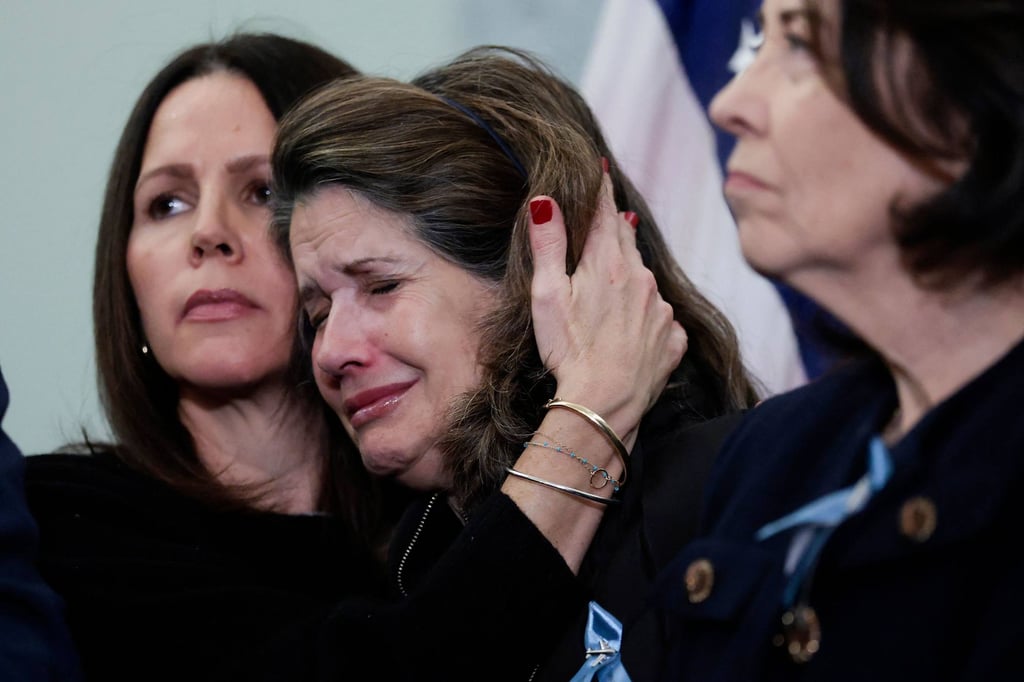
American Airlines filed a separate motion to dismiss the lawsuit on Wednesday, saying it was sympathetic to the families’ “desire to obtain redress for this tragedy” but the “proper legal recourse is not against American. It is against the United States government.”
The court should therefore dismiss American from this lawsuit. The FAA restricted helicopter flights in March after the National Transportation Safety Board (NTSB) said their presence posed an “intolerable risk” to civilian aircraft near Reagan National.
In May, the FAA barred the Army from helicopter flights around the Pentagon after a close call that forced two civilian planes to abort landings. On Wednesday, the US Senate unanimously passed legislation to tighten military helicopter safety rules.
Investigators highlight contributing factors
The NTSB will release its report on the cause of the crash early next year, but investigators have already highlighted a number of factors that contributed, including the helicopter flying 24 metres (78 feet) higher than the 61 metre (200 foot) limit on a route that allowed only scant separation between planes landing on Reagan’s secondary runway and helicopters passing below.
Plus, the NTSB said, the FAA failed to recognise the dangers around the busy airport even after 85 near misses in the three years before the crash.
The government admitted in its filing that the United States “was on notice of certain near-miss events between its Army-operated Black Hawk helicopters and aircraft traffic transiting in and around helicopter routes 1 and 4” around Washington.
Before the collision, the controller twice asked the helicopter pilots whether they had the jet in sight, and the pilots said they did and asked for visual separation approval so they could use their own eyes to maintain distance. FAA officials acknowledged at the NTSB’s investigative hearings that the controllers at Reagan had become too reliant on the use of visual separation. That is a practice the agency has since ended.
Witnesses told the NTSB that they have serious questions about how well the helicopter crew could spot the plane while wearing night vision goggles and whether the pilots were even looking in the right spot.
Investigators have said the helicopter pilots might not have realised how high they were because the barometric altimeter they were relying on was reading 24 to 30 meters (80 to 100 feet) lower than the altitude registered by the flight data recorder.
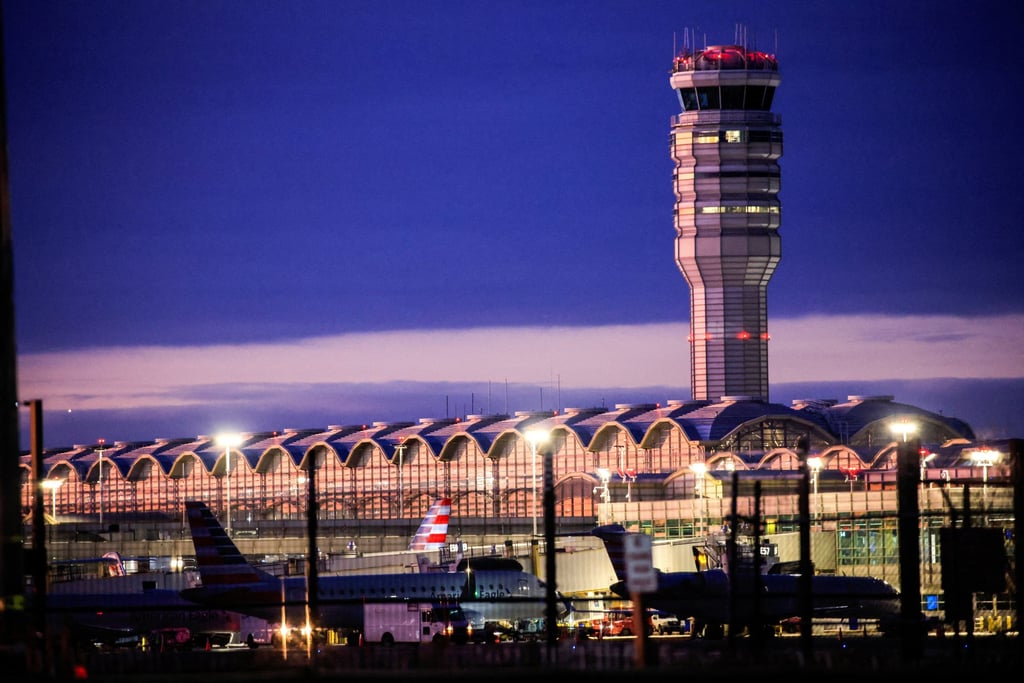
Swift admission
The crash victims included a group of elite young figure skaters, their parents and coaches who had just attended a competition in Wichita, Kansas, and four union steamfitters from the Washington area.
Retired pilot Richard J. Levy, an aviation litigation expert witness, said the government’s admission of some responsibility less than a year after the crash is unusual, especially considering the amount of money that could be involved in the case.
“They would not have done that if there was a doubt in their mind about anything the controller did or that the Army did,” said Levy.